
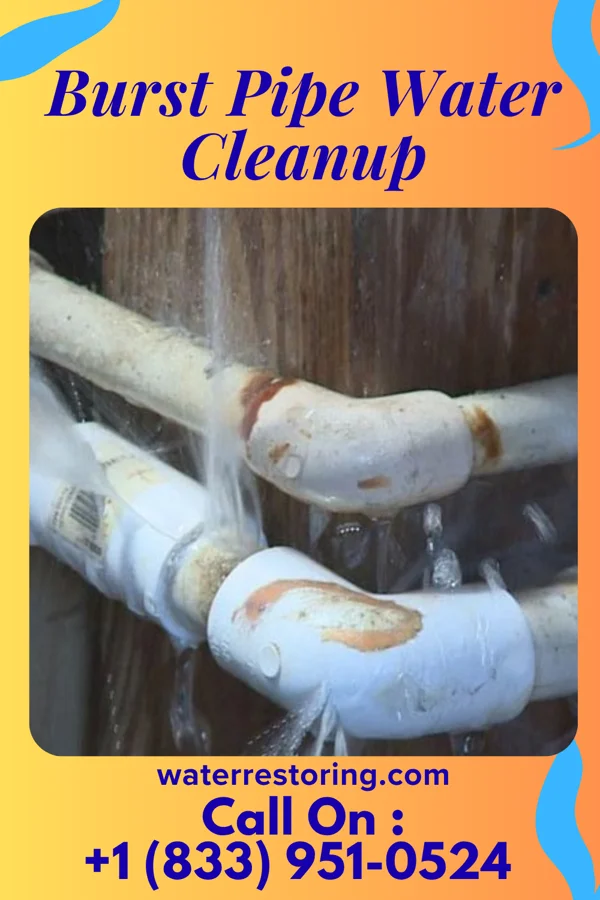
Burst Pipes Across Deer Park Neighborhoods
Every neighborhood in Deer Park has a different water damage risk profile. The one that shows up on most restoration calls is Deer Park, Ohio, experiences a mix of older infrastructure and seasonal fluctuations that increase the risk of burst pipes, particularly during late winter and early spring when ground thawing can cause pressure changes in underground lines. The town's rural setting also means that some areas may have less frequent maintenance on aging water systems.. A close second is The proximity to Rossmoyne, Dillonvale, and Silverton, OH, exposes Deer Park to regional water pressure variations that can impact local plumbing. Additionally, the town's smaller population and limited water infrastructure may lead to less frequent inspections and repairs..
Deer Park, Ohio, has a humid continental climate with cold winters and hot summers, which can cause pipes to expand and contract, increasing the likelihood of leaks and bursts. This climate pattern contributes to a higher risk of water damage during seasonal transitions.
Water damage in Deer Park follows a few local patterns. Deer Park, Ohio, experiences a mix of older infrastructure and seasonal fluctuations that increase the risk of burst pipes, particularly during late winter and early spring when ground thawing can cause pressure changes in underground lines. The town's rural setting also means that some areas may have less frequent maintenance on aging water systems. accounts for the bulk of our calls. Deer Park, Ohio, has a humid continental climate with cold winters and hot summers, which can cause pipes to expand and contract, increasing the likelihood of leaks and bursts. This climate pattern contributes to a higher risk of water damage during seasonal transitions. Deer Park's humid summers and frequent rainfall create a high risk of mold growth if water damage is not addressed promptly. The town's climate means that moisture can linger in buildings for extended periods, increasing mold risk.
For public guidance on the health effects of mold after prolonged water exposure, see the EPA mold and health page.